PROJECT SUMMARY
Specialized / Rocket Espresso
Making high-performance aluminum desirable again.
A multi-year racing, art, and product marketing program that helped transform Specialized's Allez from a declining product category into a cult favorite, growing annual category sales from $9 million to more than $25 million.
Client: Specialized Bicycle Components
Specialized develops high-performance bicycles and equipment for riders across road, mountain, and urban cycling.
Responsibilities:
Brand and campaign strategy
Product positioning and marketing
Product development
Sports marketing and athlete management
Art and creative direction
Artist and brand partnerships
Limited-edition product development
Global market coordination
Events and experiential marketing
Photography and content production
-
By 2016, carbon fiber had become synonymous with high-performance road bikes, even at lower price points. Customers increasingly saw aluminum as an entry-level material, and Specialized's Allez category was losing relevance. Some global markets were even asking to replace it with less expensive carbon bikes under the Tarmac name.
But we had a product worth fighting for.
Specialized's SmartWeld technology allowed us to build exceptionally stiff, responsive aluminum frames at a fraction of the cost of our flagship carbon products. Independent testing showed that the Allez Sprint could match or exceed the stiffness of far more expensive bikes.
The challenge wasn't performance. It was perception.
Cannondale's CAAD series had long been the benchmark for performance aluminum, and I wanted Specialized to take that position. More importantly, I wanted to show that a $2,000 to $3,000 bike deserved the same attention, design, and investment as a $10,000 race bike.
-
Racing: I built a program around the Red Hook Crit, an international fixed-gear racing series held in Brooklyn, London, Barcelona, and Milan. The races were fast, technical, and demanding, making them an ideal place to demonstrate the Allez Sprint's performance. Just as importantly, Red Hook attracted a younger audience connected to art, design, and street culture, a space where Specialized had relatively little presence.
Creative Direction: Rather than approach the series as a conventional team sponsorship, we turned the bicycles into a creative platform. In 2016, four Specialized designers developed individual bike and equipment designs for each race. In 2017, we worked with designer Dylan Buffington to translate that visual approach into limited-edition production products. The following year, I brought in artist Michael Reeder to develop a complete team identity spanning bikes, apparel, equipment, and event spaces.
Global Activation: I worked with Specialized's regional teams to build events around each race, combining group rides, parties, athlete appearances, merchandise, and consumer experiences. The program grew from two riders into a seven-person international team, supported by a dedicated event space that served both the athletes and the community.
-
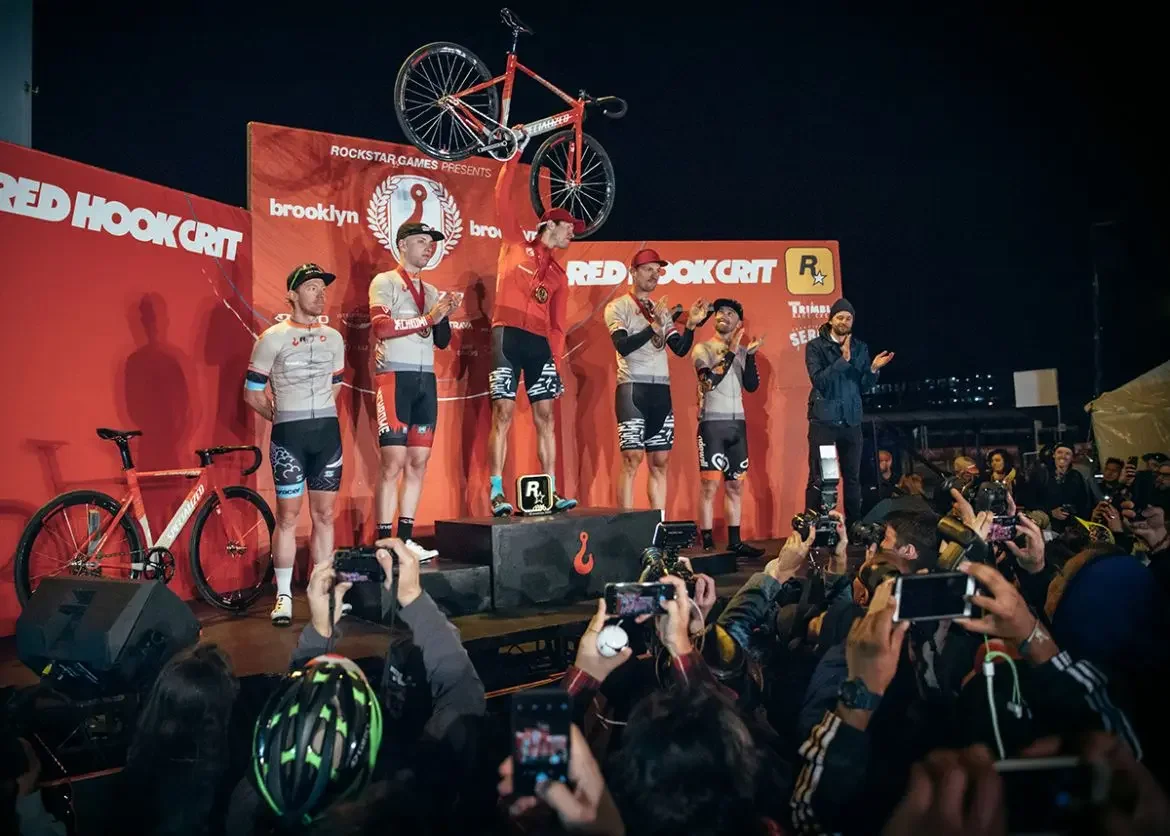
The Allez Sprint became a sought-after performance product rather than an inexpensive alternative to carbon. The team won the 2016 Red Hook Crit men's individual and team championships, while limited-edition products and artist collaborations attracted attention from cycling media and audiences well beyond traditional road racing.
The program helped establish the Allez Sprint as a credible challenger to Cannondale's CAAD series. Years later, cycling publications continued to credit the Red Hook team and its limited-edition bikes with helping create the Allez Sprint's cult following.
Most importantly, the broader Allez category grew from approximately $9 million to more than $25 million in annual sales over three years, based on internal Specialized reporting. Red Hook was one part of that growth, but a significant part of how we changed the conversation around the product.
-
2016: Establishing Credibility
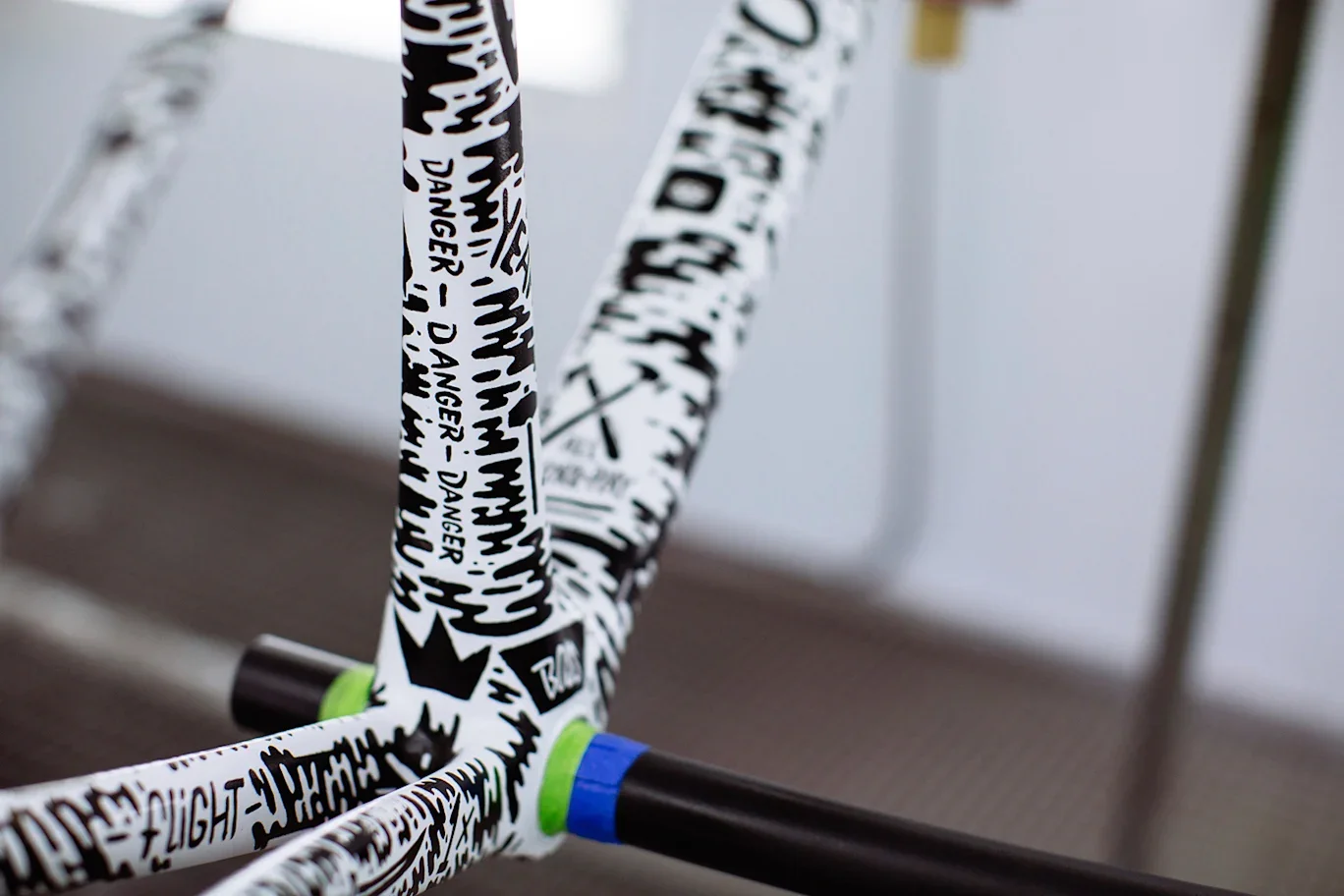
The first season began with two athletes, Colin Strickland and Aldo Ino Ilesic, and four completely different creative treatments.
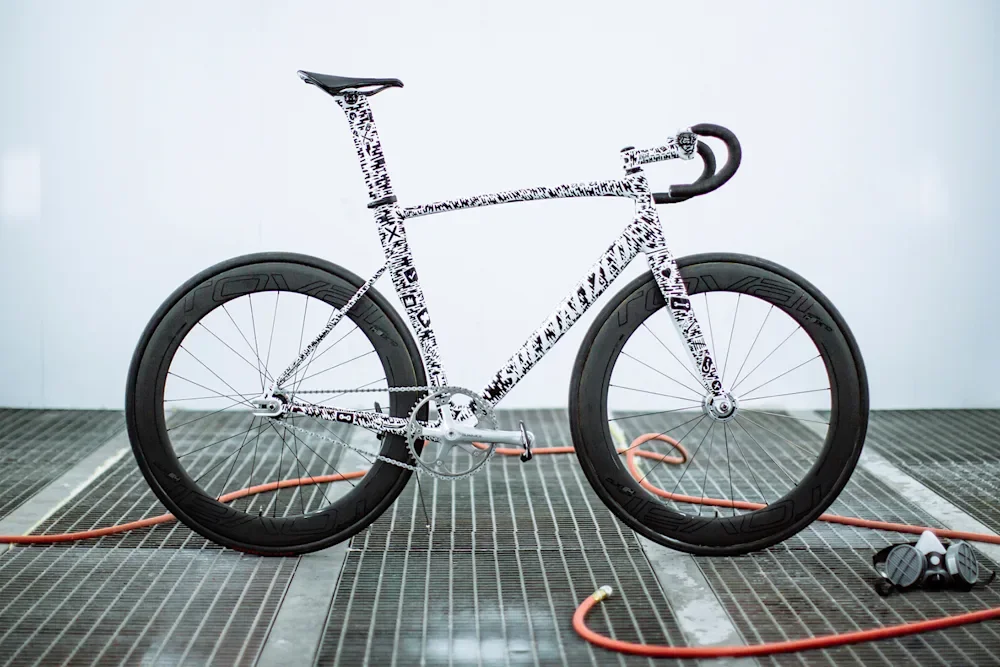
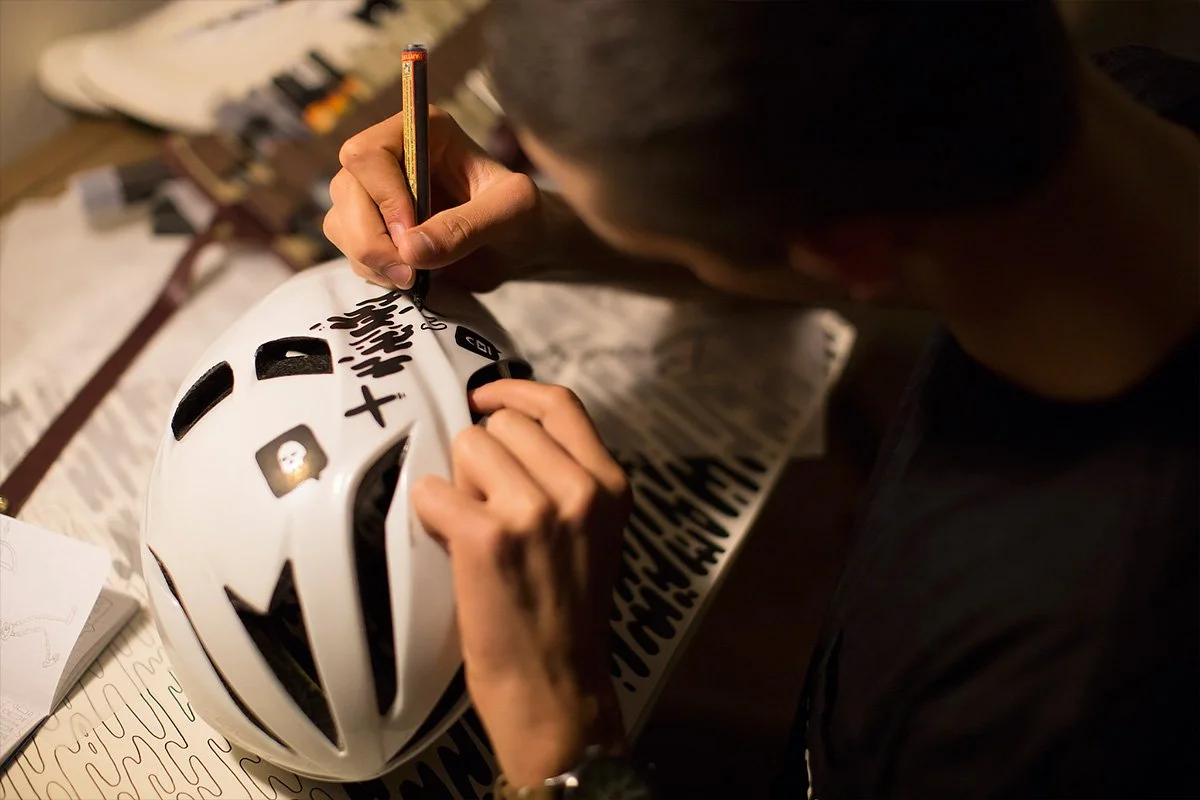
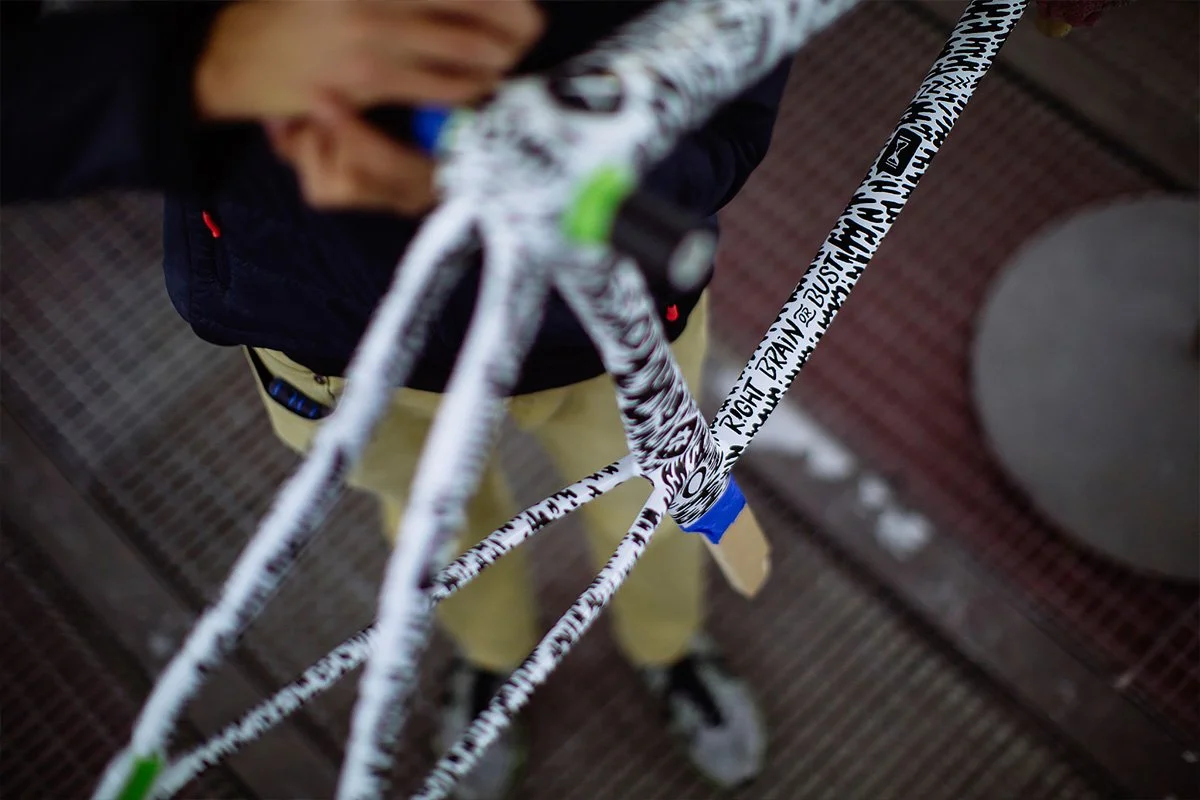
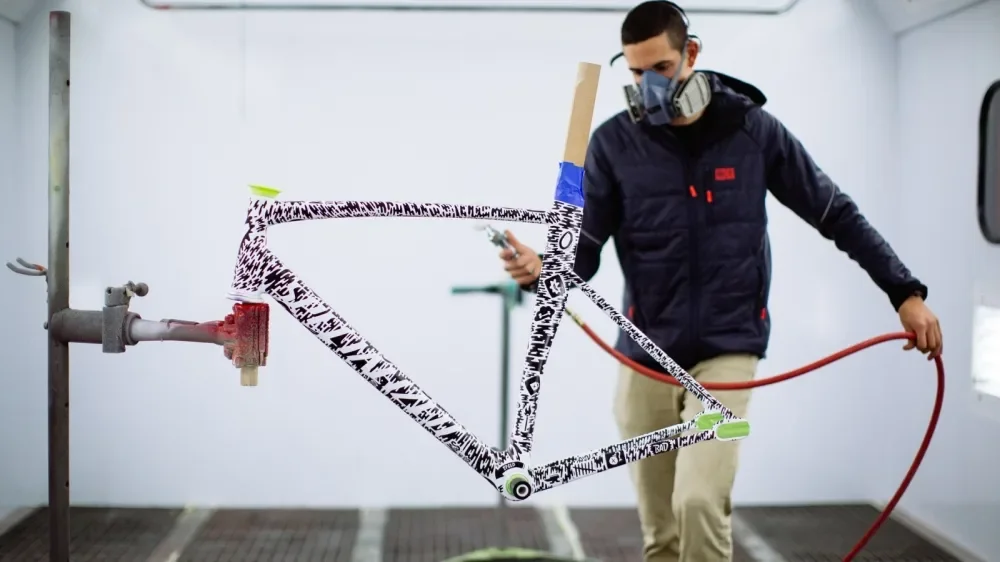
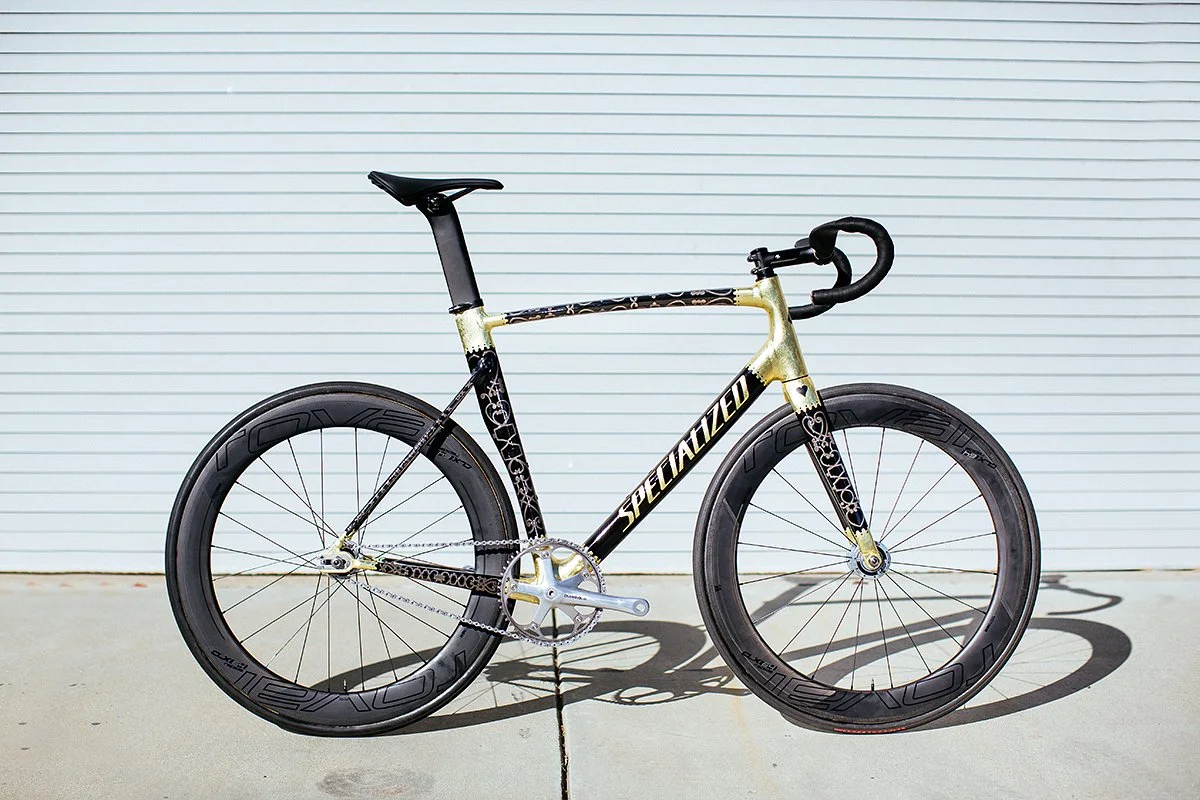
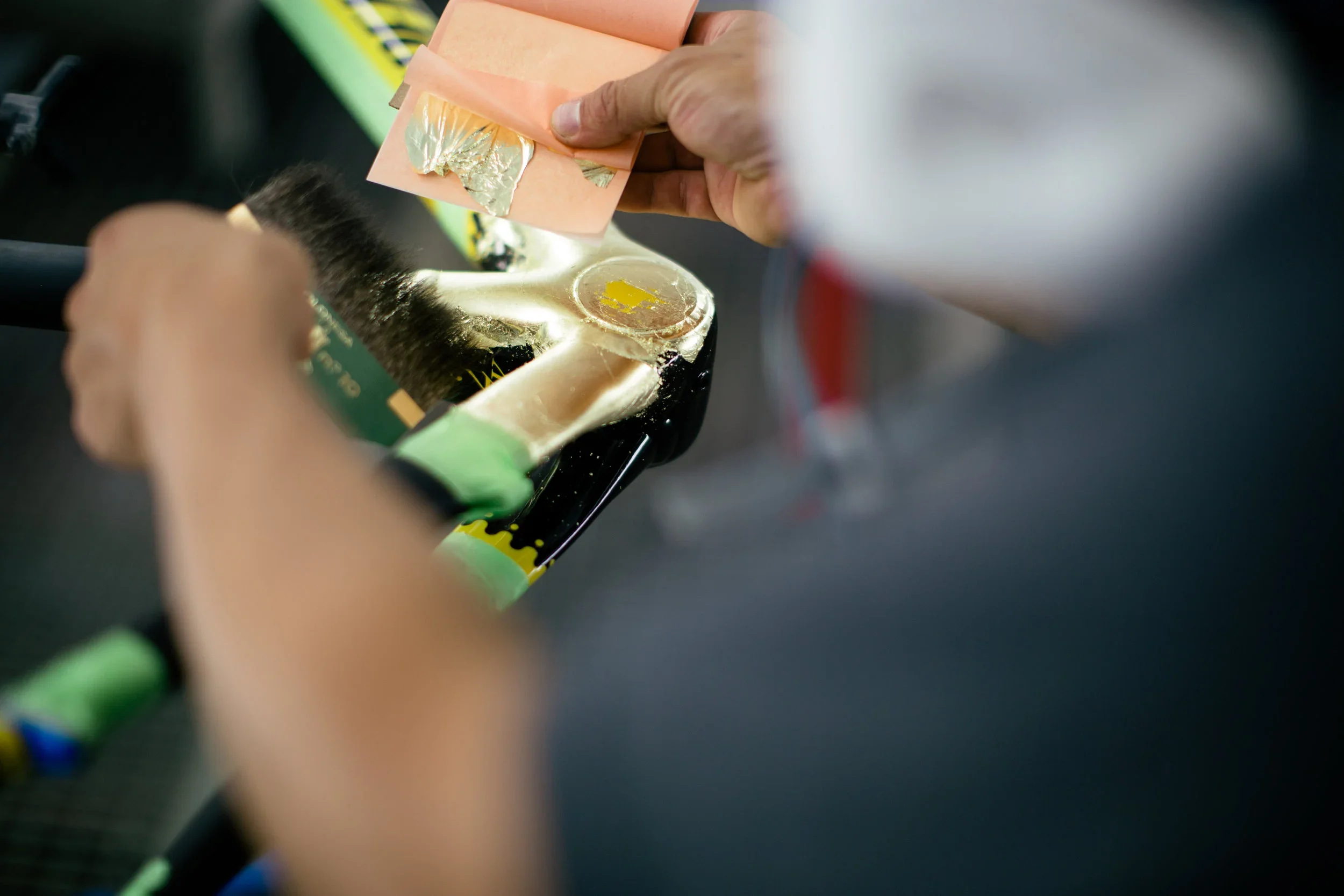
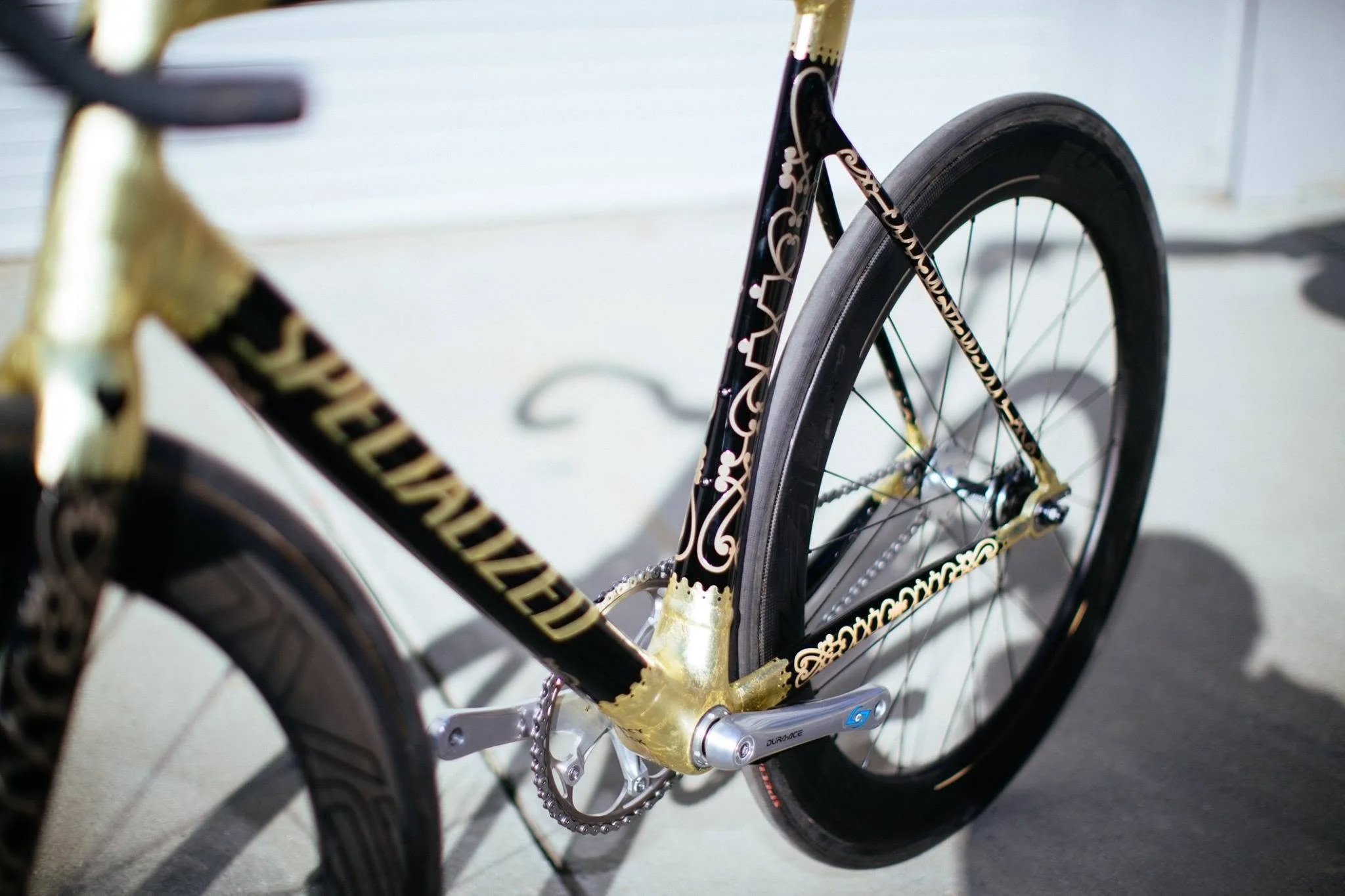
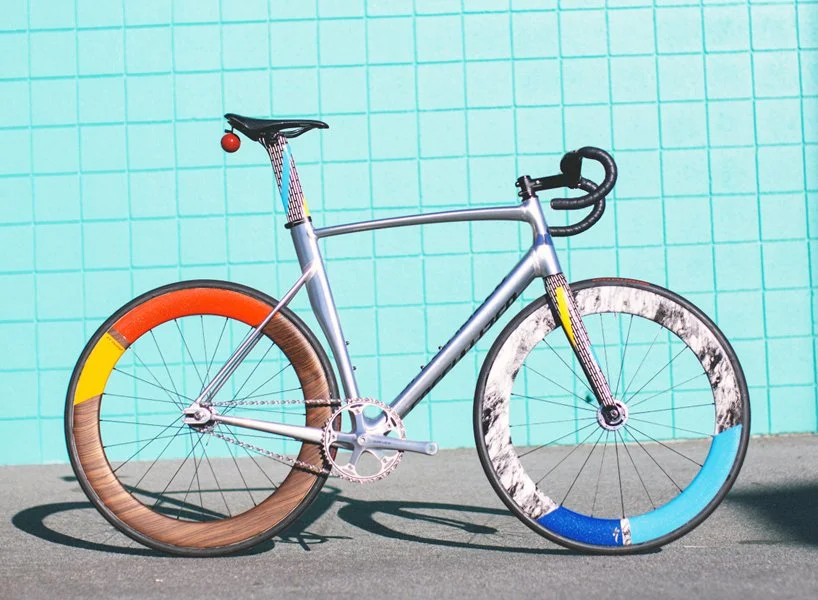
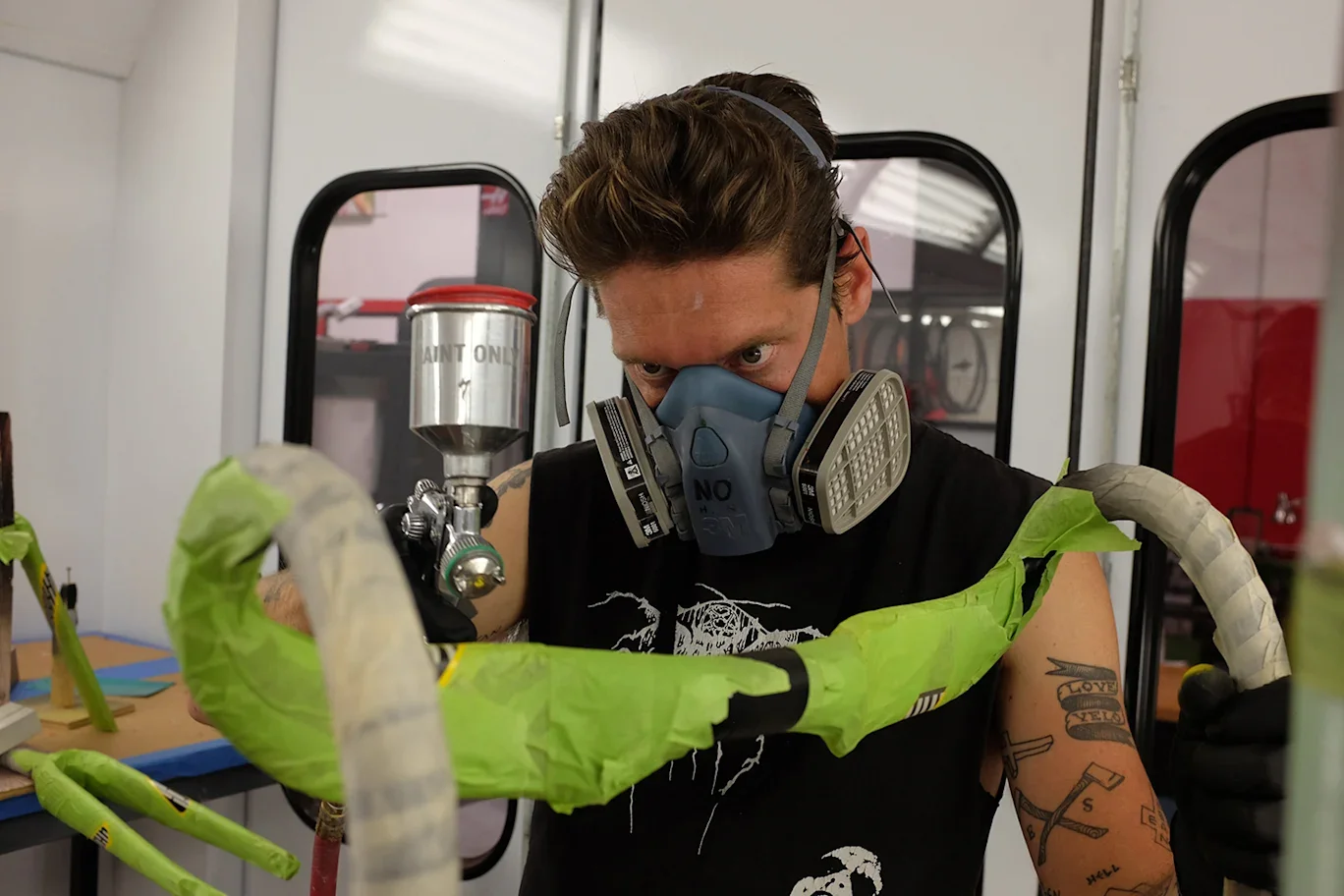
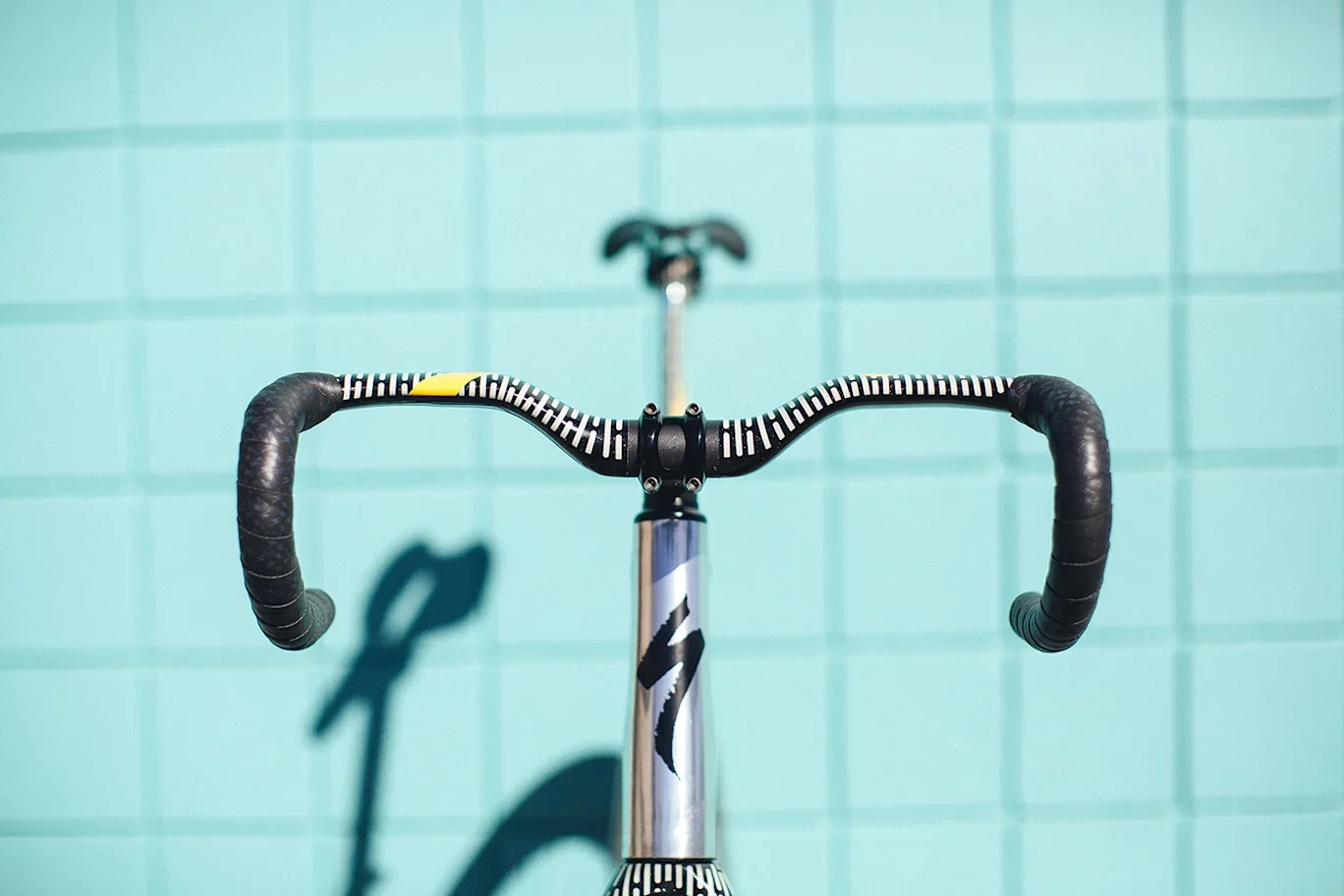
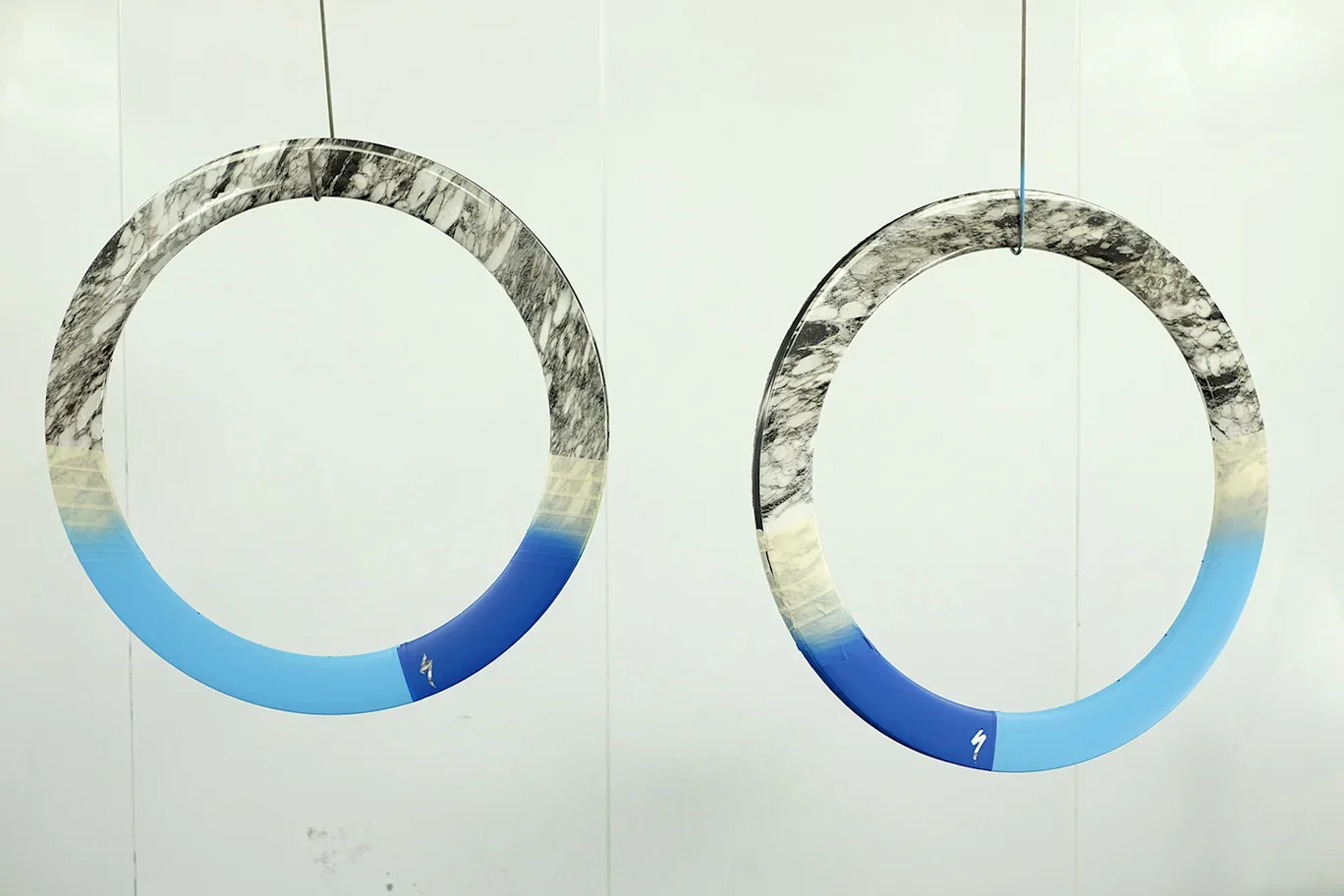
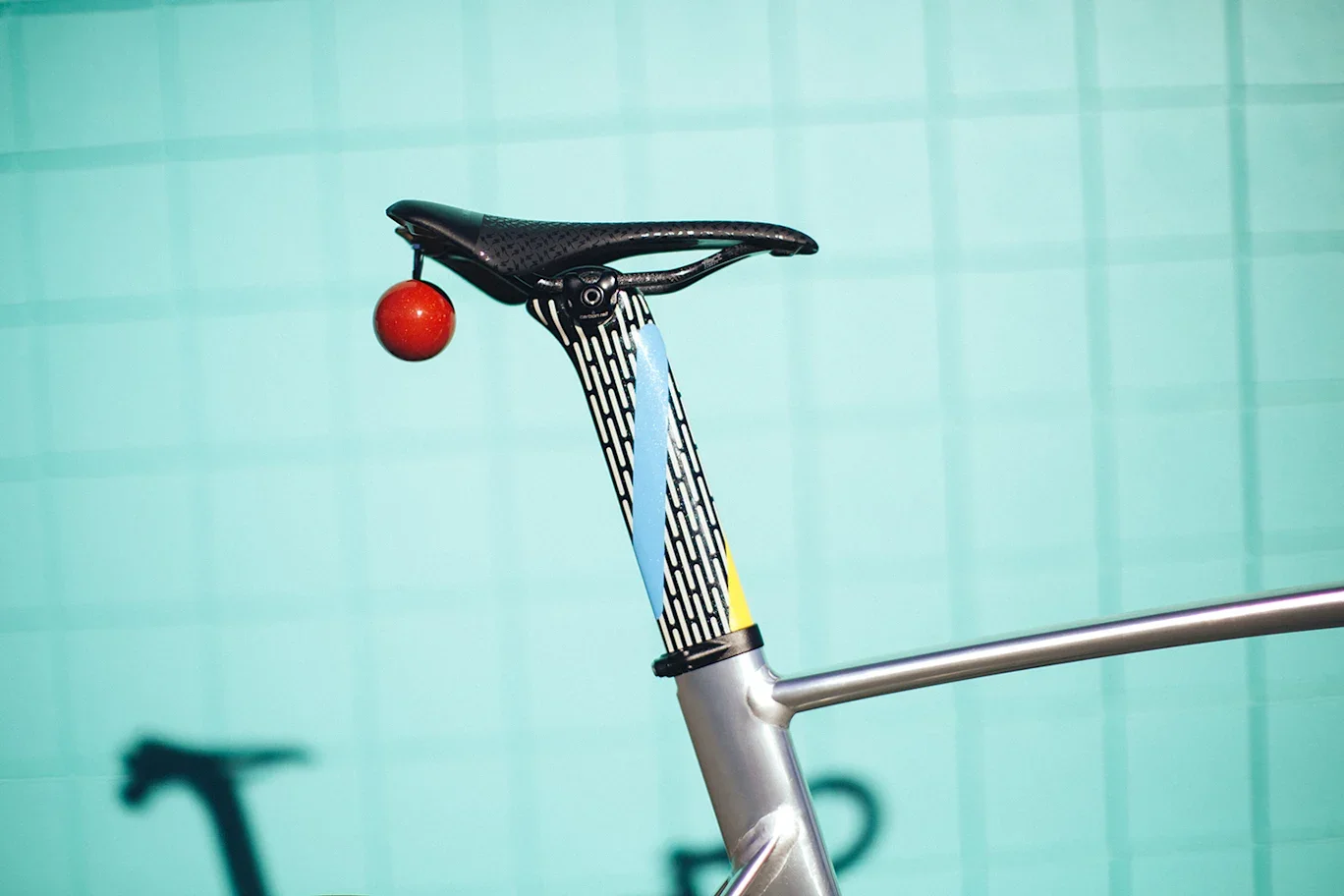
I worked with Specialized designers McKenzie Sampson, Jon Takao, Brian Szykowny, and Erik Nohlin, each taking responsibility for one race. They created one-off artwork that extended across the bicycles, wheels, helmets, shoes, and racing apparel.
The goal was to give the designers freedom to create something that belonged in the Red Hook environment rather than a conventional corporate racing program.
It worked. The bikes received international design and cycling media coverage, and Strickland and Ilesic finished first and second overall in the men's championship.
BROOKLYN:
McKenzie Sampson
LONDON:
Jon Takao
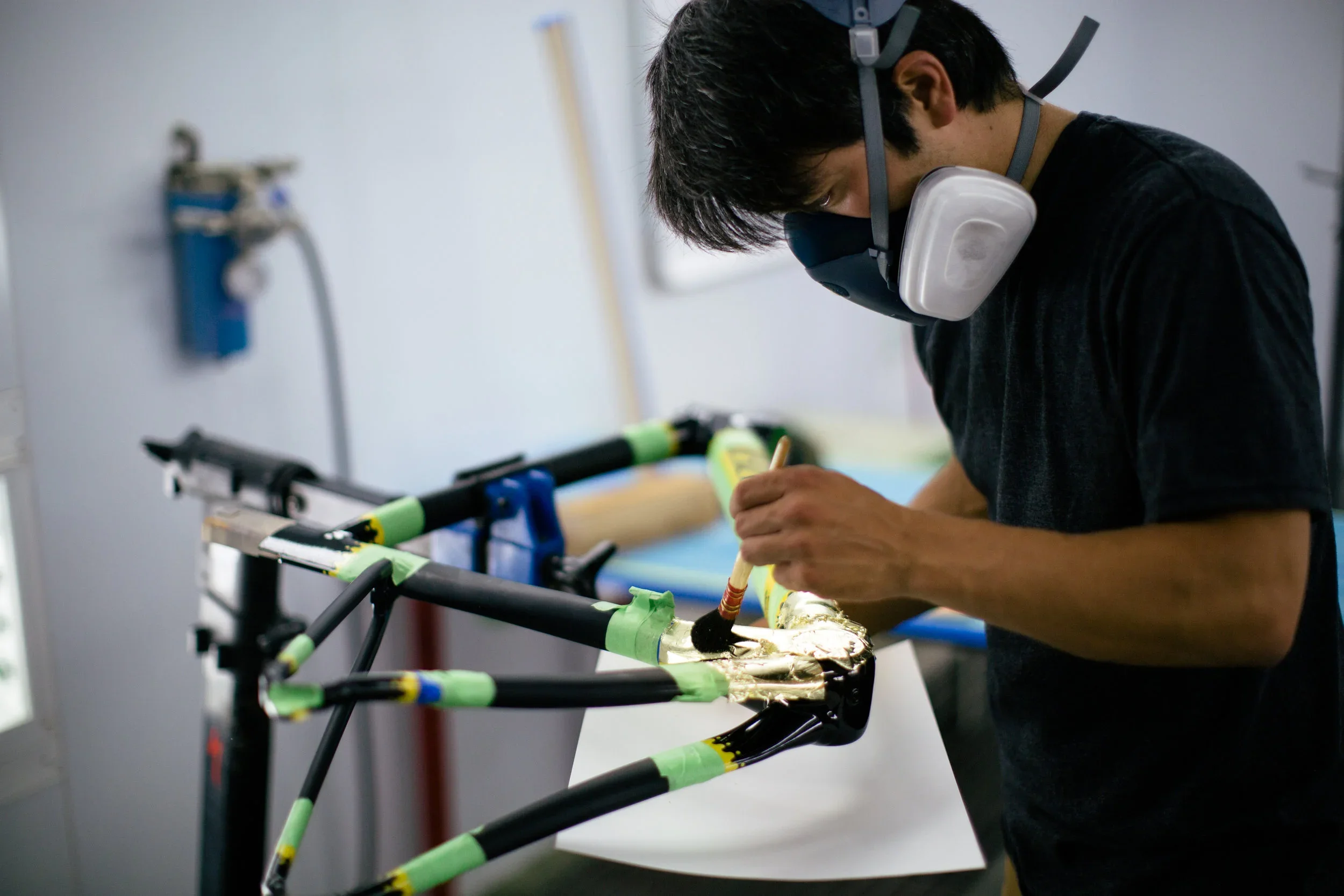
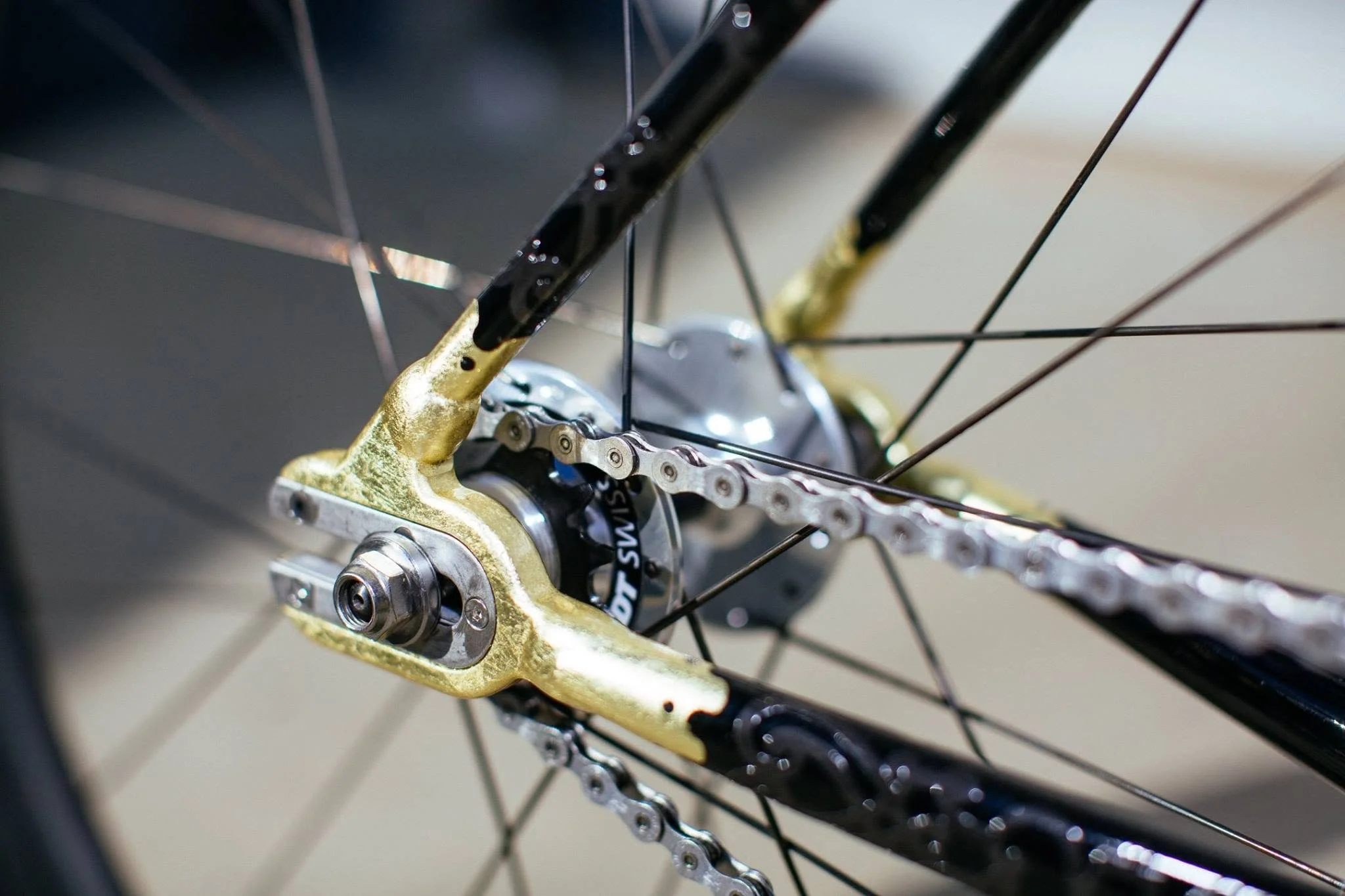
BARCELONA:
Brian Szykowney
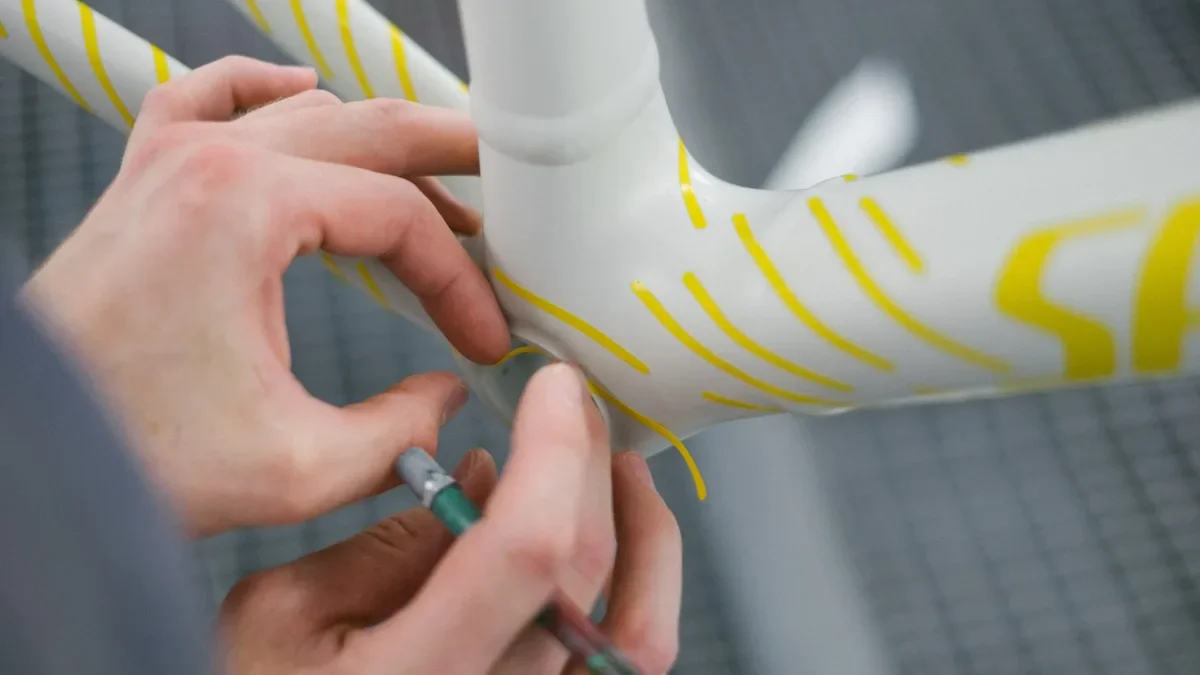
MILAN:
Eric Nohlin
2017: From One-Off Artwork to Commercial Product
For the second season, I wanted to take the interest in our hand-created race bikes and turn it into something customers could own.
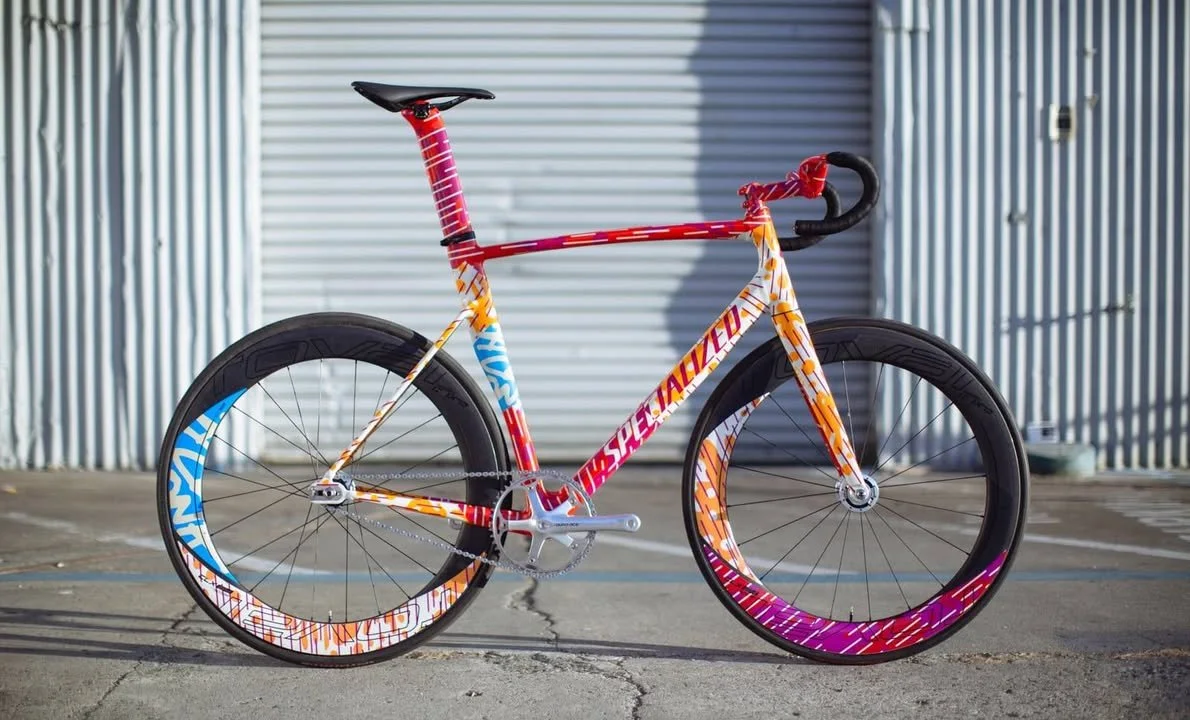
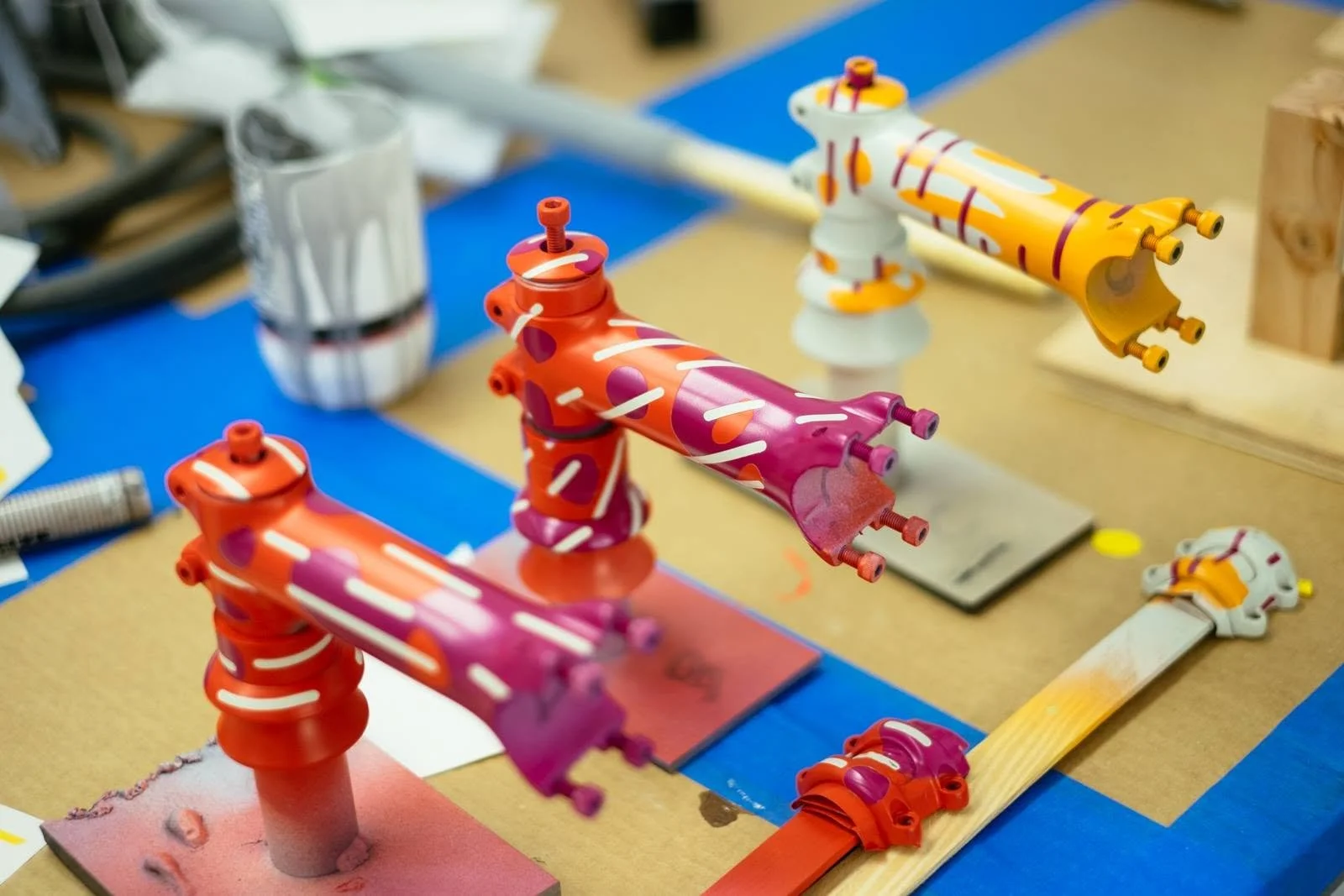
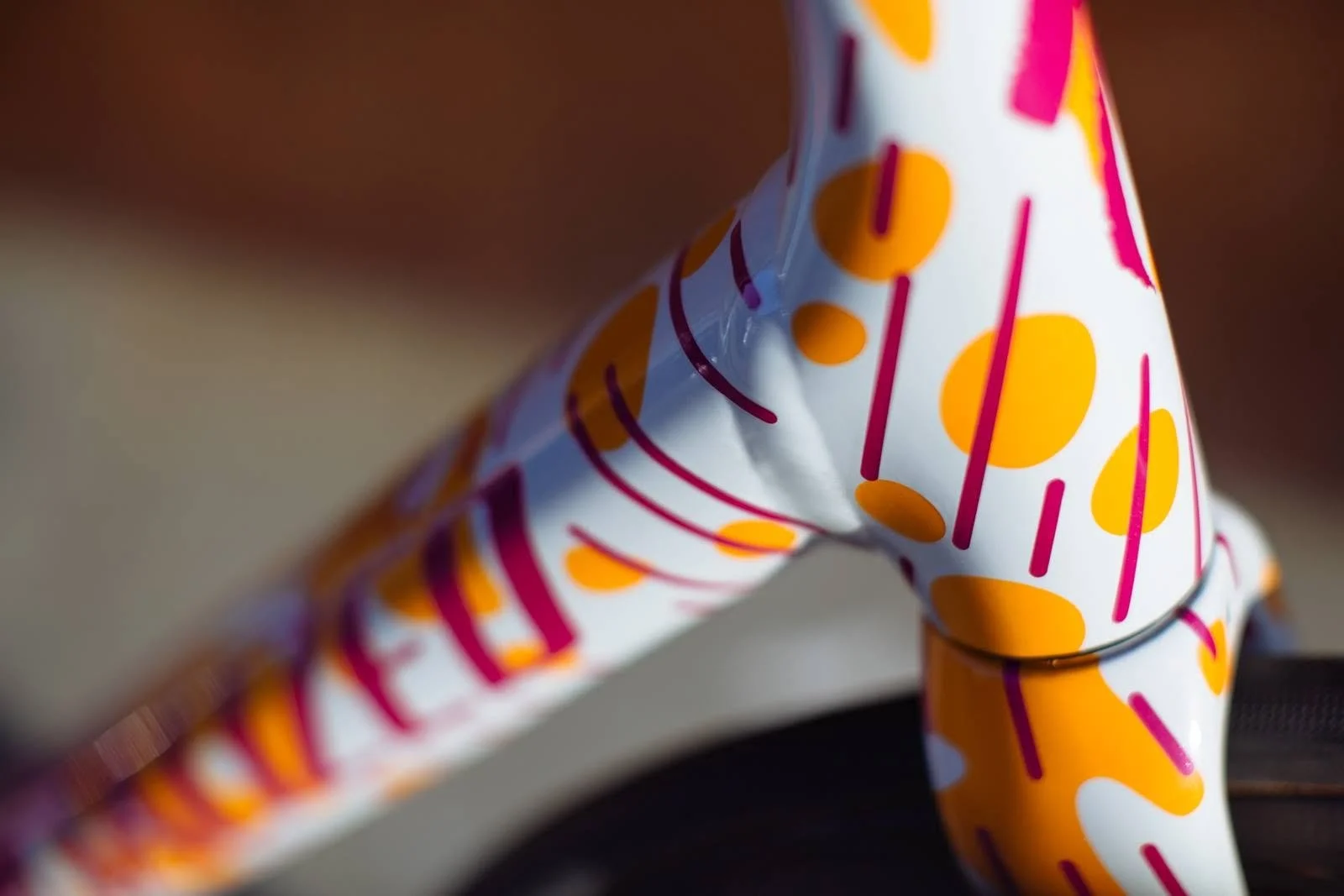
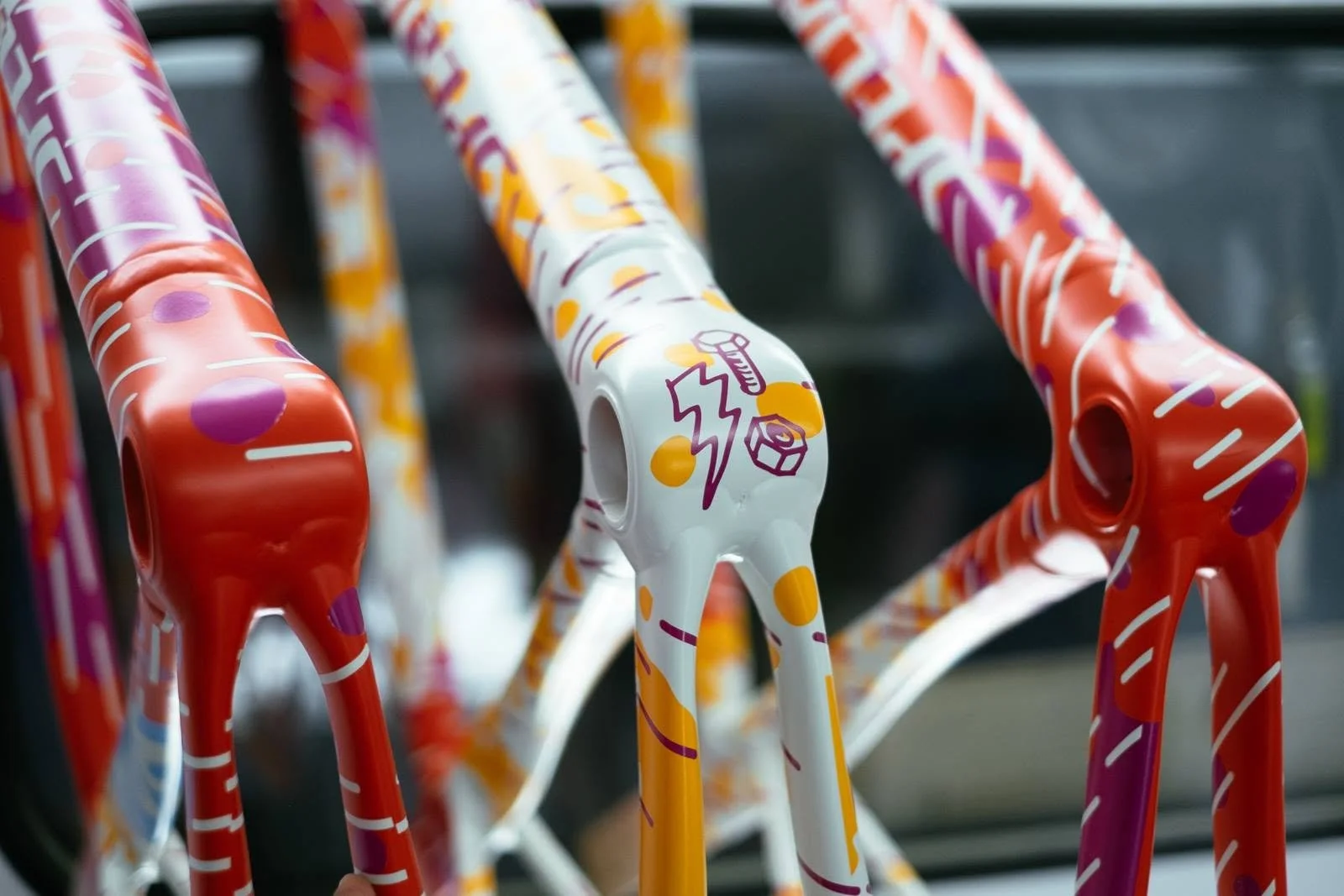
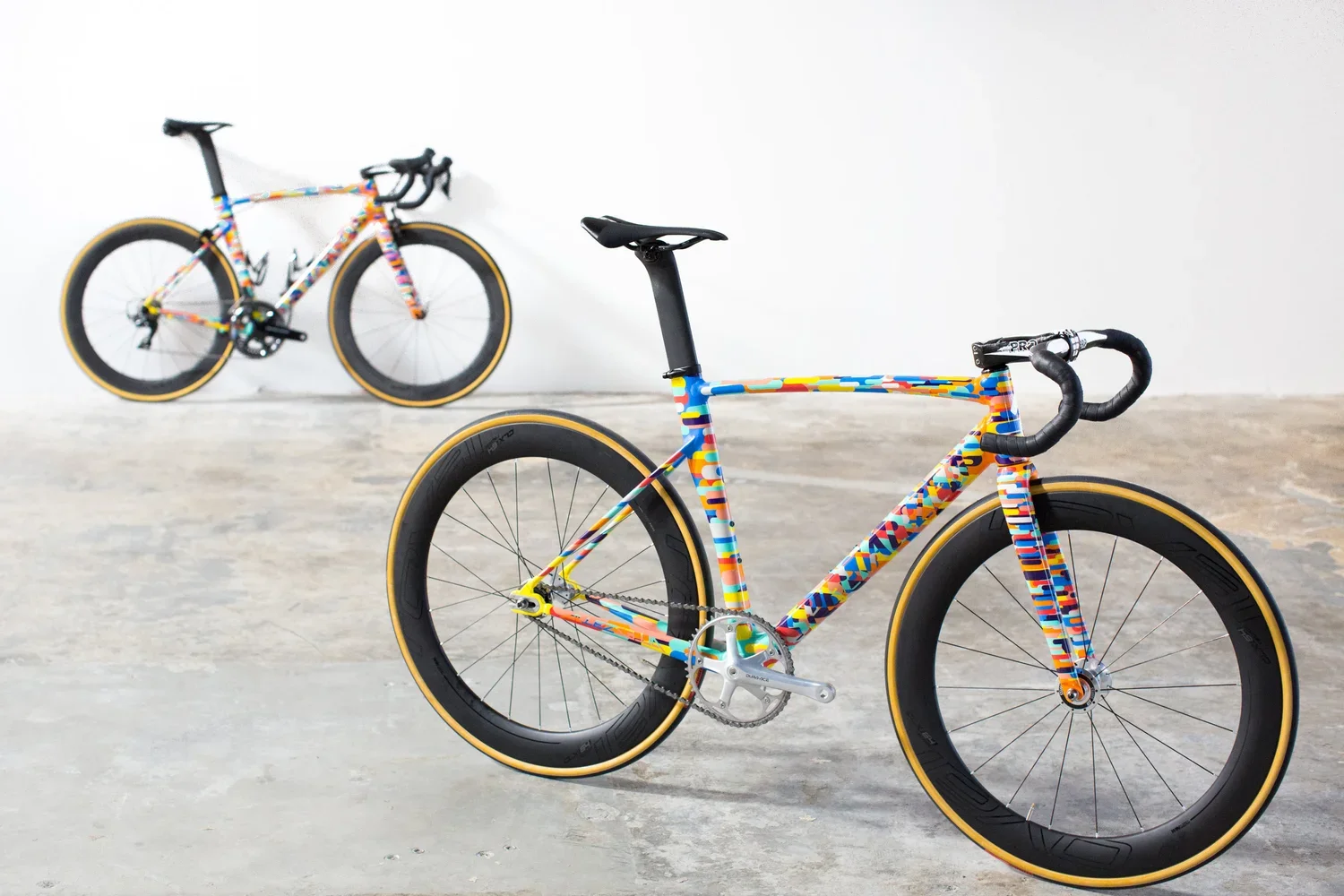
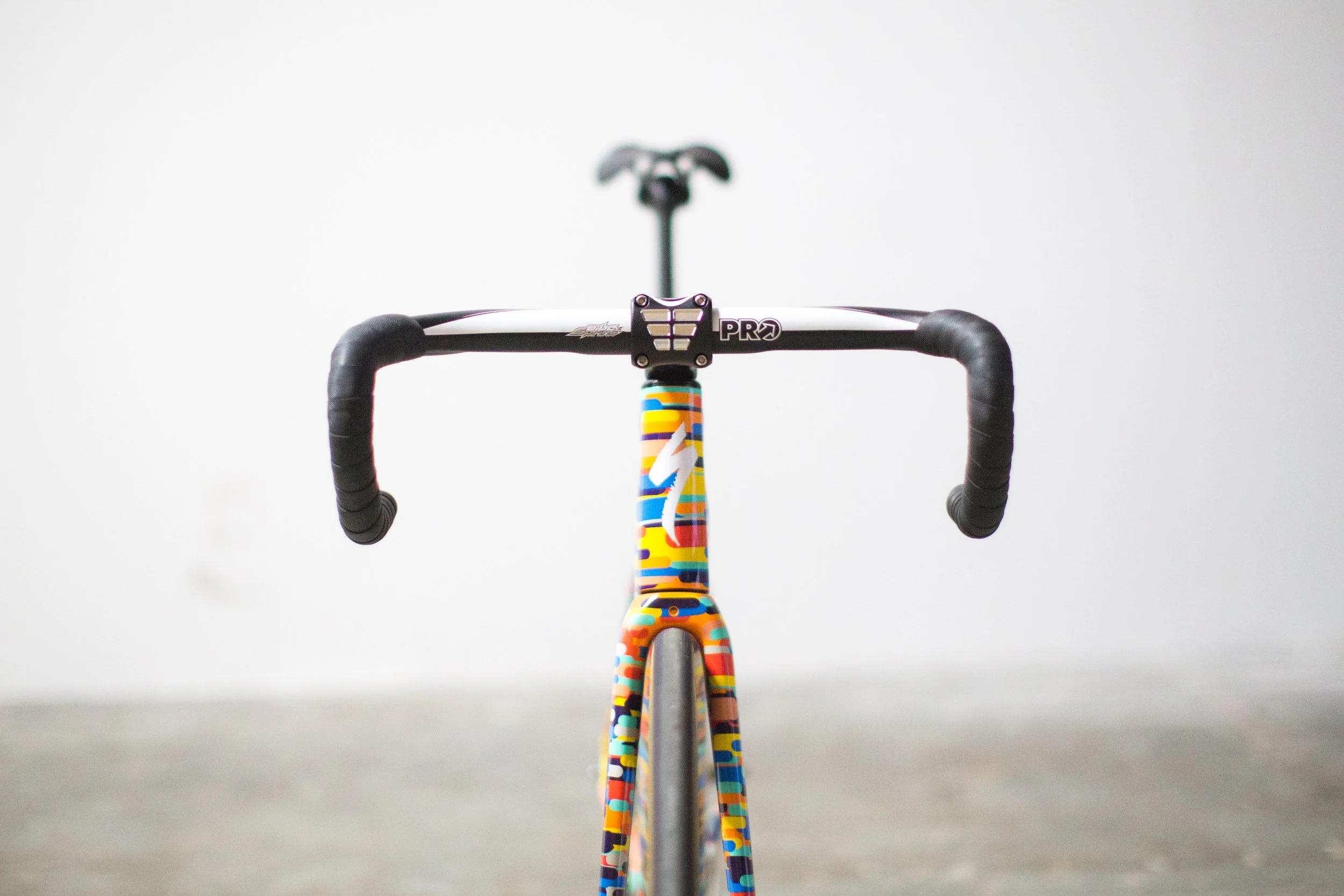
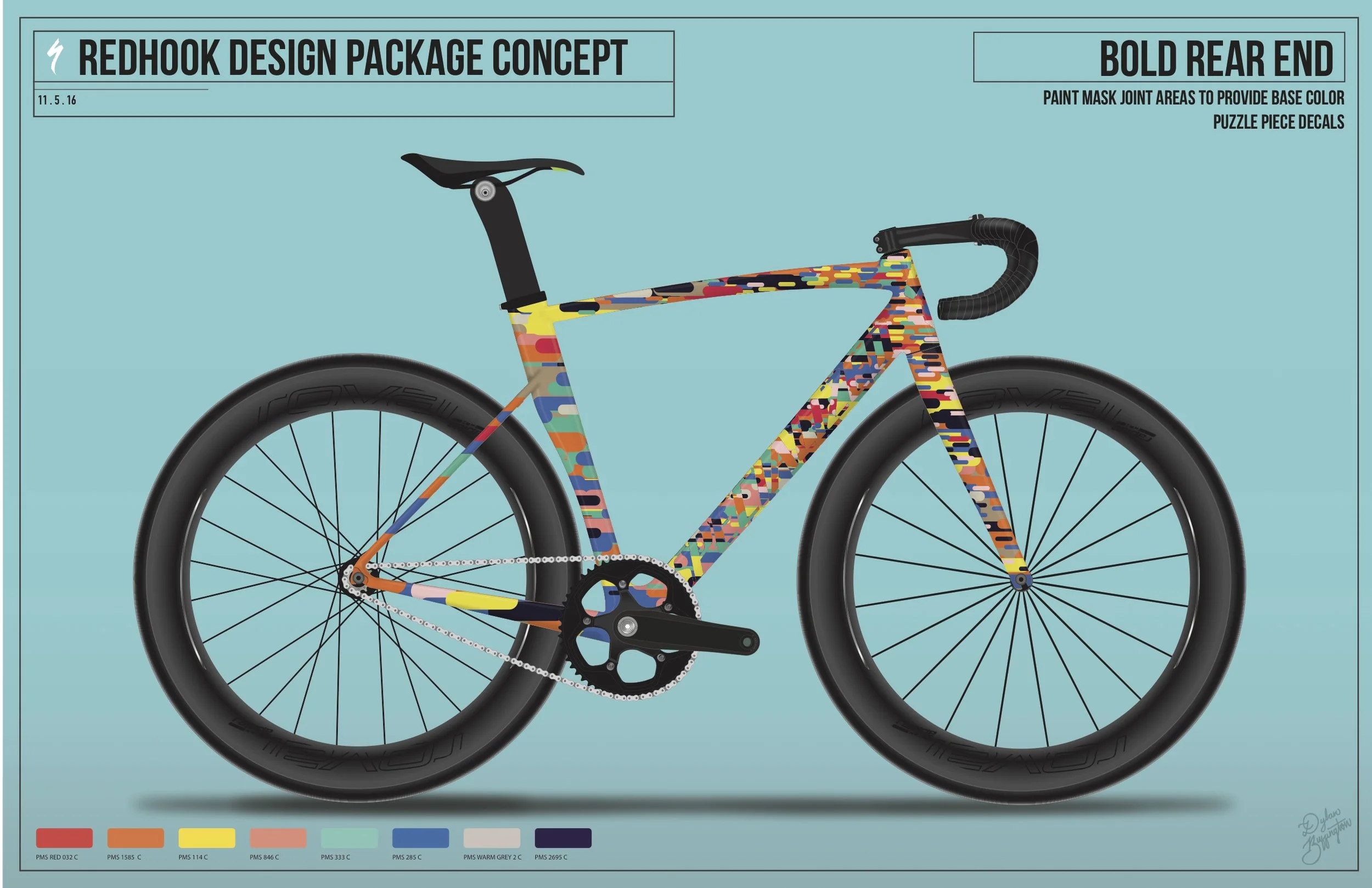
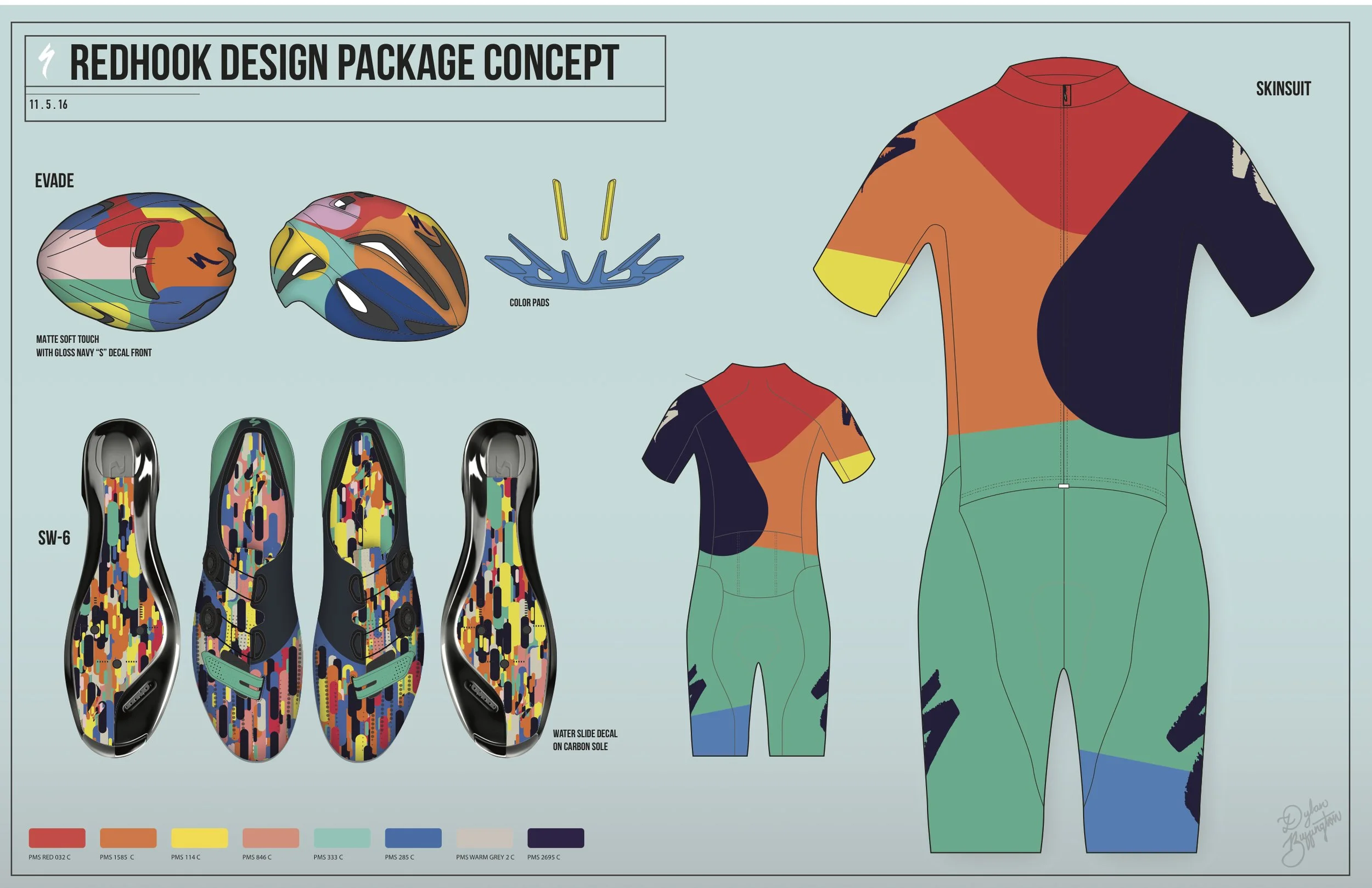
Working with Specialized designer Dylan Buffington, we developed a unified team design inspired by the BMW Art Car program. The challenge was translating an unusually complex graphic into something that could be manufactured at scale.
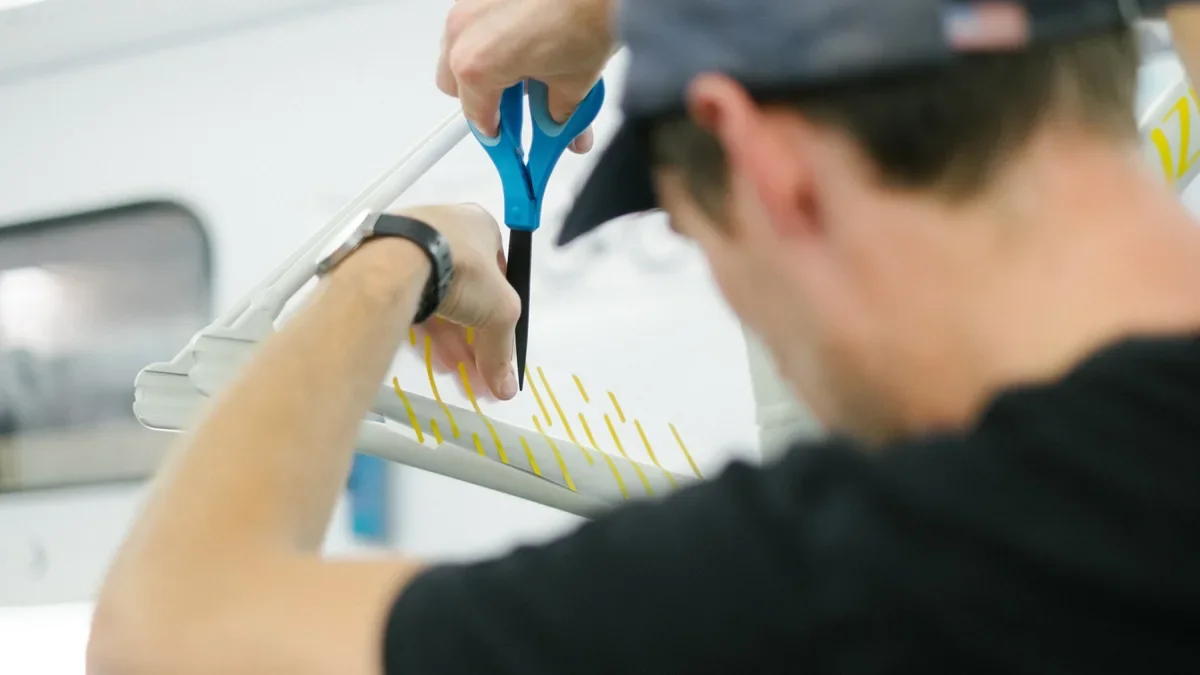
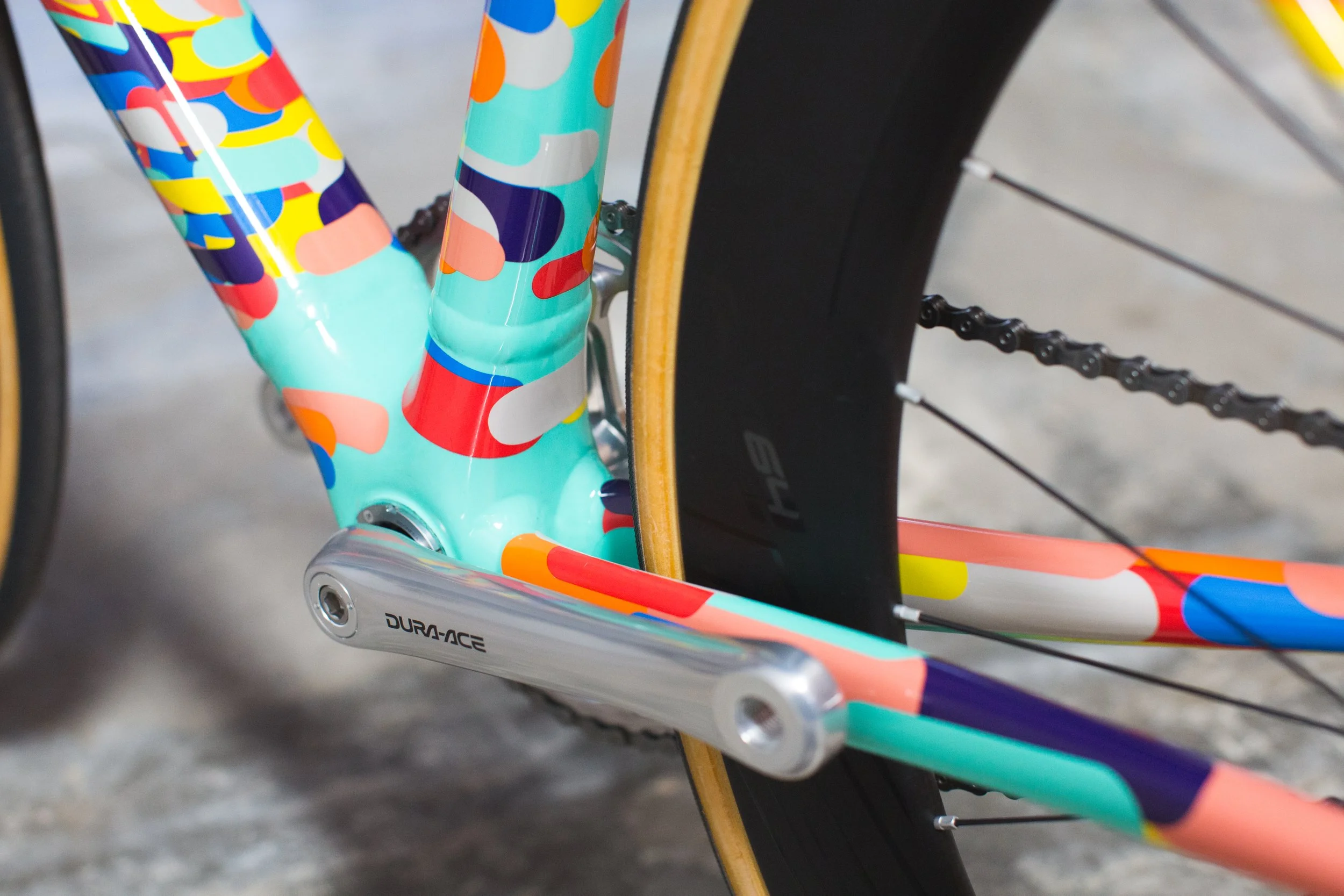
I worked with the product team on a process combining a painted color fade with water-transfer graphics that crossed frame junctions, creating the appearance of a nearly seamless design.
The result was unlike anything else in Specialized's production range. Cycling Weekly ran the bike under the headline, "Is this Specialized the best looking bike of 2017?"
We produced 13 team track frames and 300 limited-edition Allez Sprint road framesets for global markets, turning a racing and creative program into a commercial product.
THE TEAM
Seven riders. Seven countries. One identity.
The program evolved from two racers into an international men's and women's team featuring Justin Williams, Alec Briggs, Carla Nafría, Angus Morton, Eamon Lucas, Raphaële Lemieux, and Stephan Schäfer.
We wanted athletes who could win races but also connect with an audience beyond traditional professional cycling. Their personalities, backgrounds, and relationships within the fixed-gear community were as important to the program as their results.
Over time, the team became one of Red Hook's most recognizable fixtures, with riders drawing fans to events, group rides, and the Specialized team space.

Justin Williams - USA

Alec Briggs - United Kingdom

Carla Nafria - Spain

Angus Morton - Australia

Eamon Lucas - Netherlands

Raphaele Lemieux - Canada

Stephan Schafer - Germany
Michael Reeder

For the 2018 season, I wanted to bring someone into the project from outside the cycling industry.
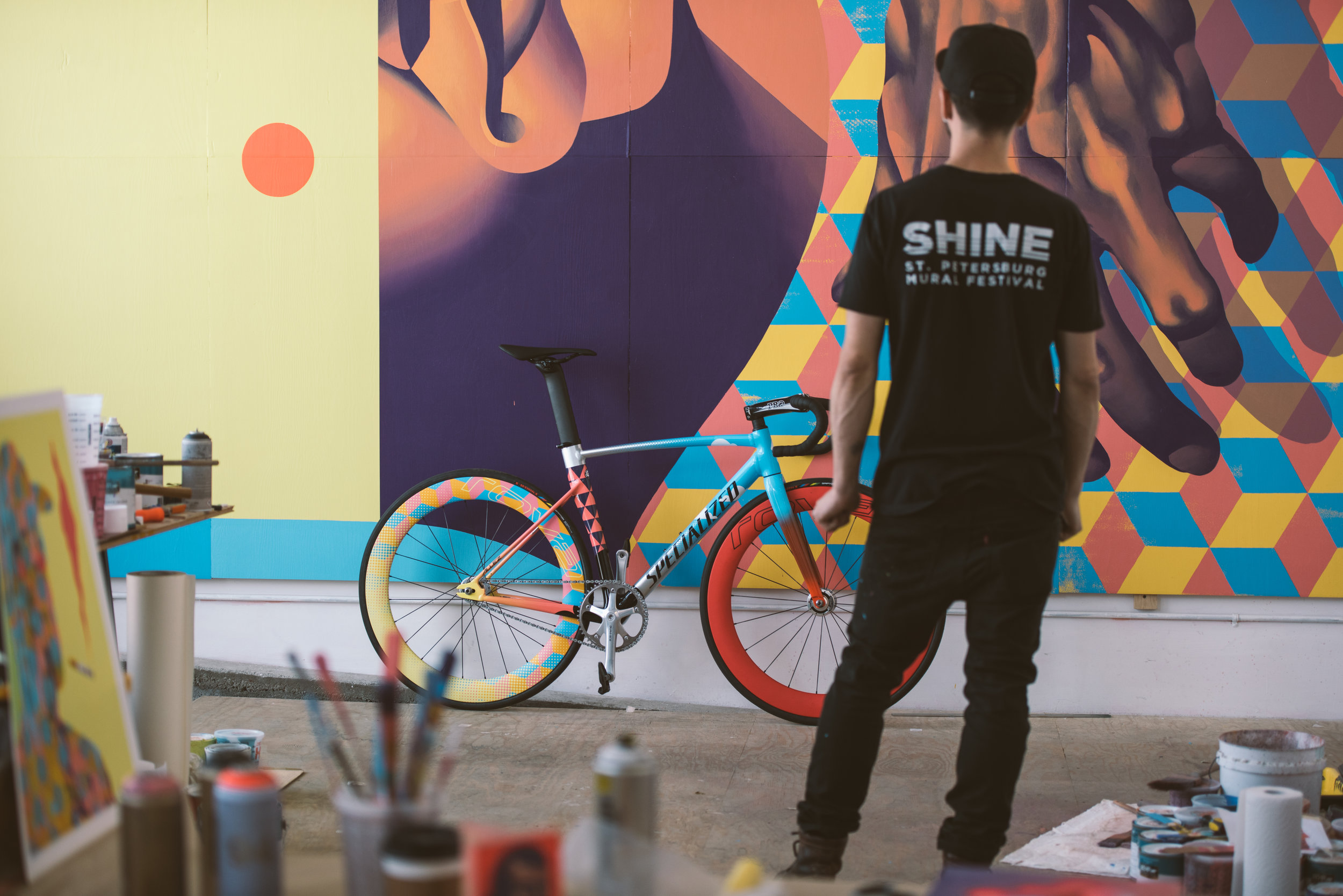
I approached artist and muralist Michael Reeder to develop the team's new visual identity. Known for his colorful portraits, abstract forms, and large-scale murals, Michael brought an entirely different perspective to the bike and equipment.
Over roughly a year, we worked with Michael and Specialized's design team to translate his artwork onto the Allez Sprint, wheels, apparel, helmets, and shoes. The process involved several rounds of development, including abandoning an initial production direction to push the artwork further.
The collaboration extended into the physical event experience, including an 8-by-20-foot mural Michael created for our Brooklyn launch.
It was another opportunity to treat an accessible performance product with the same creative ambition normally reserved for a flagship or limited-edition luxury product.




EVENT SPACE
The Red Hook program extended well beyond the races themselves.
I worked with Specialized's regional markets in the U.S., UK, Spain, and Italy to build events around the team, including community rides, parties, athlete appearances, product displays, and merchandising.
We also developed a dedicated team space at the races that served two purposes. It gave athletes an area to prepare, warm up, and work with team staff, while providing fans with somewhere to meet the riders, see the products, purchase merchandise, and spend time throughout the event.
The goal was to create something more meaningful than a sponsorship booth. We wanted the team to feel like part of the community and give people a reason to engage with Specialized beyond buying a bike.


LONG-TERM IMPACT
The cultural shift extended beyond Red Hook.
In 2018, Specialized put the Allez Sprint underneath Hagens Berman Axeon, one of the world's leading professional development teams. Riders who had previously raced Specialized's flagship carbon Tarmac were now competing on aluminum.
It reinforced the original idea behind the program: performance shouldn't be determined by what a rider can afford.
The influence also lasted beyond the racing team itself. Justin Williams later cited his experience with Specialized-Rocket Espresso as an influence on the team environment he wanted to create with Legion of Los Angeles.
When Specialized introduced the next generation of the Allez Sprint in 2022, cycling media continued to reference the original bike's reputation and its connection to Red Hook.
We started with a product category that parts of the business wanted to eliminate. By investing in the engineering, athletes, artwork, and community around it, we helped make aluminum something riders wanted to own again.